

Measles: A Holistic Guide

Updated: Jul 30

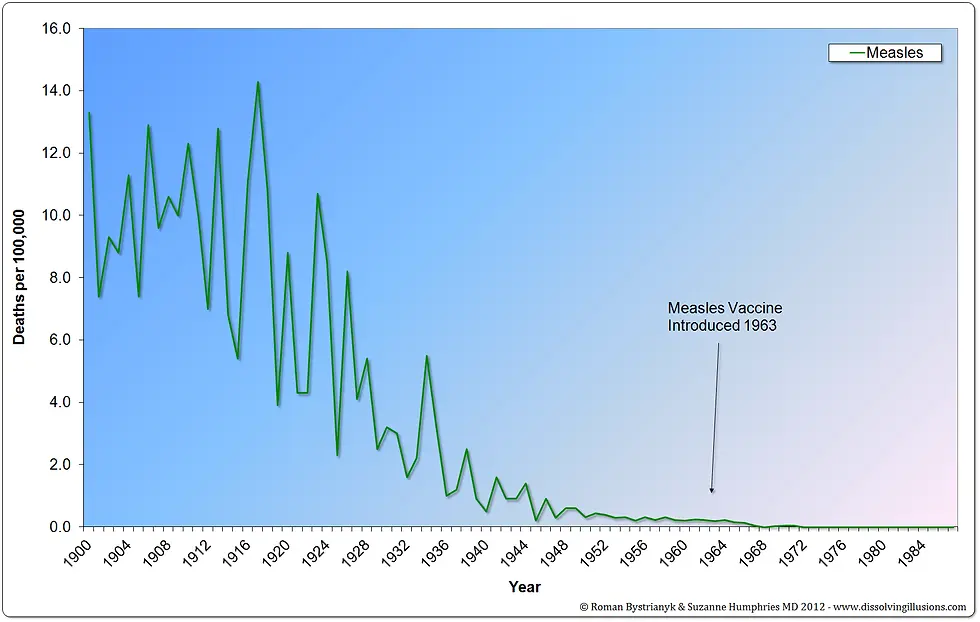
We know that measles is getting a lot of attention in the news and media these days, especially when discussing vaccination. In 1960, the measles survival rate was 99%. The measles vaccine was not introduced until 1963. While there are increased rates, it does not mean that we need to live in fear of this virus.
Measles is a systemic viral illness that follows a predictable course. While it is often reduced to “a rash,” measles is in fact an immune-mediated whole-body infection involving the respiratory tract, lymphatic system, skin, and immune memory.
Understanding the physiology of measles reduces fear and allows for thoughtful, informed support whether your child is vaccinated or not.
This guide covers:
What measles is and how it spreads
The stages of the disease
What measles looks like
The immune response and longer-term immune effects
Possible complications
Holistic support strategies
Homeopathic approaches
Recovery and immune rebuilding
This information is educational and not a substitute for individualized medical care.
What Is Measles?
Measles is caused by a virus transmitted primarily through respiratory droplets. It is highly contagious because viral particles remain airborne for up to two hours after an infected person coughs or sneezes.
Once inhaled, the virus:
Infects respiratory epithelial cells
Enters local lymphatic tissue
Spreads through the bloodstream (viremia)
Triggers a systemic immune response
The incubation period averages 7 to 14 days. During this time, viral replication occurs silently before symptoms begin.
Measles is not merely a surface rash. The rash is the visible expression of the immune system actively responding to the virus throughout the body.
Stages of Measles
Incubation (lasts for 7–14 days): Viral replication without symptoms
Prodrome (lasts for 3–5 days): Fever, cough, conjunctivitis, Koplik spots
Exanthem (rash phase, 5–6 days): Peak immune activation, descending rash
Recovery: Rash fades, fever resolves, immune recalibration
What Measles Looks Like
The Prodrome Phase
(Occurs 7-14 days after exposure)
This early phase resembles a severe upper respiratory infection and includes:
High fever, often 103–105°F
Persistent cough
Runny nose
Red, watery eyes
Photophobia (light sensitivity)
Fatigue
Irritability

A defining diagnostic feature is Koplik spots: tiny white or bluish spots on the inside of the cheeks that appear 1 to 2 days before the rash. These represent viral involvement of mucosal tissue.
The Rash Phase

The rash typically appears 3 to 5 days after fever onset.
It characteristically:
Begins at the hairline
Spreads downward to face
Moves to trunk
Extends to arms and legs

The rash consists of red maculopapular lesions that may merge.
Importantly, fever often peaks when the rash emerges. This reflects maximum immune engagement. The rash is not the virus surfacing. It is the immune system targeting infected endothelial and epithelial cells. As viral clearance improves, the rash darkens and fades.
Possible Complications
Most healthy children recover without incident. However, complications are possible, especially in:
Malnourished children
Vitamin A deficient populations
Immunocompromised individuals
Common complications:
Diarrhea (8%)
Ear infections (7%)
Pneumonia (6%)
Less common but serious:
Encephalitis (0.1%, with permanent neurological damage at 0.02–0.04%)
Hearing loss
Subacute sclerosing panencephalitis, an extremely rare, delayed neurological degeneration: (0.004–0.011%)
Vitamin A deficiency significantly increases the risk of severe outcomes. The CDC recommends therapeutic vitamin A dosing during acute measles, particularly in populations at risk of deficiency. We will go into more in depth dosing guideline and reasoning below.
Benefits of Infection:
Being infected with natural measles (not caused by the vaccine) causes:
Lifelong natural immunity to measles
May protect from heart disease and cancers such as non-Hodgkins's lymphoma and other GI cancers
Holistic Support
The goal is not to suppress the immune response unnecessarily, but to support physiological resilience and reduce complications.
Vitamin A: Central to Measles Recovery
Vitamin A plays a critical role in maintaining the integrity of epithelial tissues including the respiratory tract, gut lining, and eyes, all of which are affected during measles.
Measles infection is known to reduce circulating vitamin A levels, even in previously well-nourished children. Low vitamin A status is associated with more severe outcomes, particularly involving the lungs and eyes. With adequate vitamin A levels, the risk of permanent disability or death drops to 1 in 93,000 (0.001%).
Therapeutic vitamin A is commonly recommended during active measles infection. In holistic practice, this may be provided as:
High-quality cod liver oil
Whole-food liver (if tolerated)
Targeted short-term supplementation
Cod liver oil is often preferred in holistic communities because it provides vitamin A in a natural food matrix along with vitamin D and supportive fatty acids.
Liver, when tolerated, is one of the richest natural sources of vitamin A and may be used during recovery for rebuilding.
If choosing to megadose with Vitamin A, be sure to work with a provider to ensure correct dosing. Too much Vitamin A can be dangerous, even fatal.
Vitamin A supplements:
This is what I have on hand. Keep in mind, this is not for daily use, but for use in deficiency or illness such as measles. Be sure to dose correctly as too much can lead to toxicity. I have this on hand as I trust this brand and ingredients, but plan to still use under the supervision of a provider if ever needed.
If you are planning on megadosing, please read this blog post by Dr Green Mom. It's important to understand dosing guidelines as too much Vitamin A can be dangerous.
Vitamin D cream made with Cod Liver Oil: Natalie10off for 10% off
I use this during most illnesses to boost Vit D and Vit A. I am also more comfortable using this on a more frequent basis. The base of this is cod liver oil so it is a little stinky. I put a pea sized amount on myself or my children's belly's before bed.
The CDC recommends two megadoses of Vitamin A on consecutive days for people diagnosed with measles. The age-based daily doses that they recommend are:

Vitamin C
There are some studies suggesting that high dose of Vitamin C (even IV infusion if possible) in early infection can dramatically decrease severity.
Vitamin C supports:
Antioxidant protection
White blood cell function
Reduction of oxidative stress
Support during viral infections
Vitamin C supplements:
Vita-C : Natalie10off for 10% off
Magnesium
Magnesium may be helpful during febrile illness because fever increases metabolic demand and electrolyte shifts. Magnesium supports:
Muscle relaxation
Nervous system regulation
Cellular energy production
Supplements:
Epsom salt baths are a great way to absorb magnesium
Magnesium cream: Natalie10off for 10% off
Rub a pea sized amount on stomach or thighs before bed
Magnesium spray: NMN10 for 10% off
Spray on the bottom of feet before bed
Zinc
Zinc supports:
Antiviral immune responses
Mucosal barrier integrity
Reduced duration of respiratory illness
Supplements:
Understanding Fever
Fever can feel alarming, but it is a normal and purposeful part of the immune response. When the body detects a virus, it raises its internal temperature on purpose. This higher temperature helps immune cells work more efficiently and makes it harder for viruses to multiply. In other words, fever is one of the body’s natural defense tools. It signals that the immune system is actively responding. As long as the child is drinking, responsive, and not showing signs of distress, fever itself is not automatically dangerous.
Supporting a child with fever means helping them stay comfortable while the immune system does its work. Light clothing, adequate fluids, and cool compresses can ease discomfort without shutting down the body’s defense. The goal is support, not immediate suppression.
Here is the full in-depth fever guide: Fever Guide: Home Remedies or ER?
Hydration and Electrolytes
When a child has measles, fever is often high and can last several days. Fever causes the body to lose more fluids than usual. Breathing is faster, sweating increases, and the body uses more energy. If a child is not drinking well or does not feel like eating, dehydration can happen more quickly than many parents realize.
Fluids are not just about comfort. The body needs adequate hydration to circulate immune cells, move nutrients where they are needed, and clear waste products. When a child becomes dehydrated, mucus can become thick and sticky, which makes coughing and clearing the lungs harder. This can increase the risk of complications like pneumonia. Dehydration can also make a child feel weaker, more irritable, and more fatigued.
Offering fluids regularly helps prevent these problems. Water is important, but fluids that contain natural minerals can be especially helpful during illness. Broths, coconut water, or balanced oral rehydration solutions can replace both fluids and electrolytes that are lost with fever and sweating. Keeping hydration steady supports circulation, keeps mucus moving, and helps the body recover more smoothly.
An easy DIY electrolyte drink: Add a pinch of Himalayan or Celtic Sea salt and a splash of juice to a glass of water.
Homeopathic Remedies
Homeopathy individualizes treatment based on symptom presentation.
Commonly discussed remedies for measles include:
Belladonna: high fever, flushed face, throbbing
Aconite: sudden onset fever, anxiety, coughing attack in the middle of night
Pulsatilla: clingy, weepy child
Bryonia: dry cough, worse with movement
Gelsemium: weakness, heavy eyelids
Euphrasia: irritating eye discharge, rash, light sensitivity
Apis: itchy skin, rash
Sulphur: rash is very itchy; great for post-measles symptoms
Homeopathic Essentials Kit: Code naturalmama for a discount
Homeopathic Home Kit: Code naturalmama for a discount
I personally love the brands Boiron and Ollios. I own the Ollios essentials remedy kit and buy specific remedies from Boiron if they are not included in my kit.
Herbal Remedies:
Nettles (Urtica dioica) as a tea to soothe itchiness
Lemon balm acts as a mild pain reliever, has antiviral properties, and can help to ease anxiety
Organic Herbal Remedies | Desert Oak Apothecary: Natalie10 for 10% off
Burdock as a tea can help the skin to recover more quickly
Antiviral herbs include elderberry, astragalus, echinacea, and osha
Elderberry tincture: Natalie10off for 10% off
Feel Better Fast: Natalie10off for 10% off
Nutrition During Illness
Focus on:
Easily digestible foods
Broths
Soft fruits
Nutrient-dense liquids (bone or meat broths)
Avoid heavy, inflammatory, processed foods.
The body prioritizes immune response over digestion during acute illness.
Recovery Phase: Rebuilding After Measles
Measles can temporarily suppress immune resilience. Recovery should not be rushed.
Post-illness support may include:
Continued vitamin A through whole foods
Vitamin C
Mineral repletion
Gut rebuilding with probiotic foods
Sunlight exposure
Gradual return to activity
Sunlight exposure supports vitamin D levels and overall immune regulation. Gentle outdoor time during recovery can be beneficial once fever has resolved.
Gut health restoration is emphasized because the immune system and gut microbiome are closely connected. Nutrient-dense foods and fermented foods may support rebuilding.
When to Seek Immediate Medical Care
Seek urgent evaluation for:
Difficulty breathing
Severe dehydration
Altered consciousness
It is not necessary to go to the doctor or hospital simply because you believe your child may have measles. It is manageable at home 99% of the time.


Comments